A while back, I had a hard waterproof case for my old phone which I used for watery close-ups of developing tadpoles. But when I dropped my phone and replaced it, the case didn’t fit and I forgot about it.
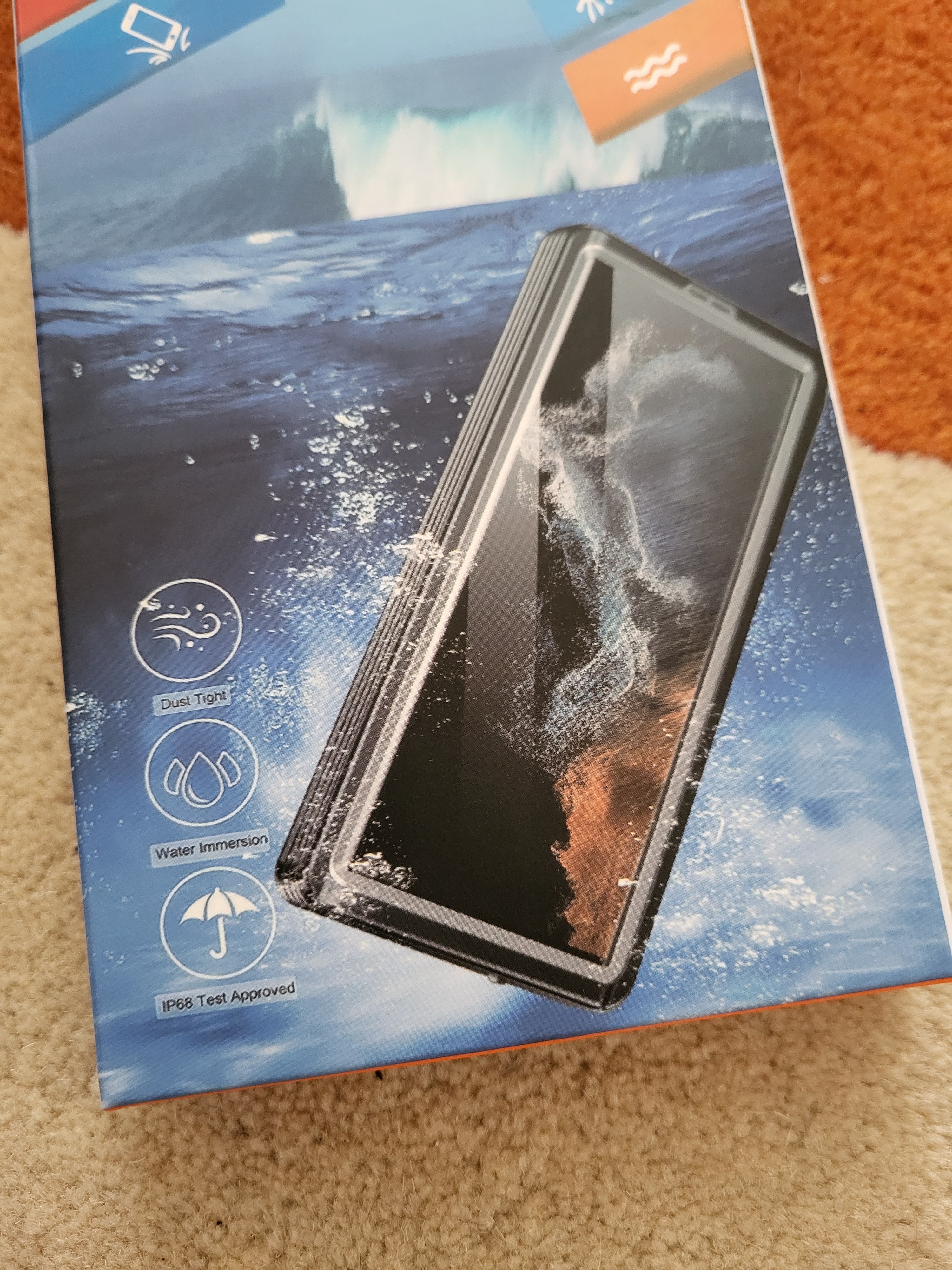
So this week I decided to buy another one, so I could try to capture newt activity from underwater instead of trying to manage water reflections and the tendency of pesky newts to hide under leaves and in the shadows. Entirely understandable of course, what with me hovering over the pond with a camera.
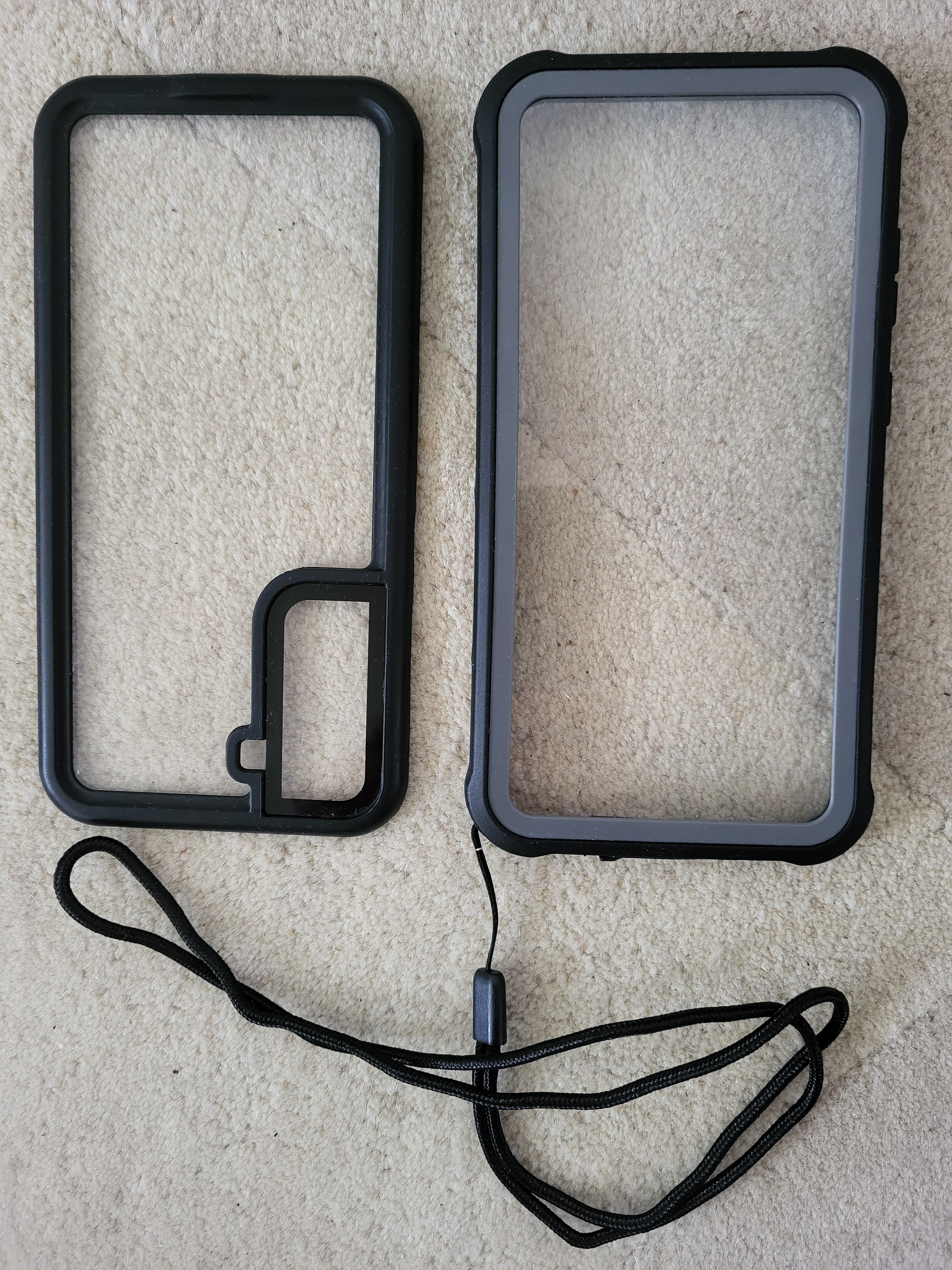
The marketing blurb said that it shouldn’t leak at two metres down and for 30 minutes. In fact it does leak a little, even at 30cms down, but it’s good enough and, with a small amount of editing, here are the results. Of course, typical, the most exciting action happens at the edge of the screen on one clip. But patience will be rewarded I’m sure. I will keep trying because this method means I can walk away from the pond for a while and hopefully capture the most natural action possible.
While you’re watching, notice the large cloaca under the rear legs of at least one newt and the bloated belly of another. We’re still in the final weeks of the mating season for newts, and these are telltales. According to the Google AI Overview, the breeding season lasts into early summer. If the newt is a male, the cloaca swells and often turns dark grey or black as he prepares for breeding. If the newt is a female, she might have a swollen lower abdomen.
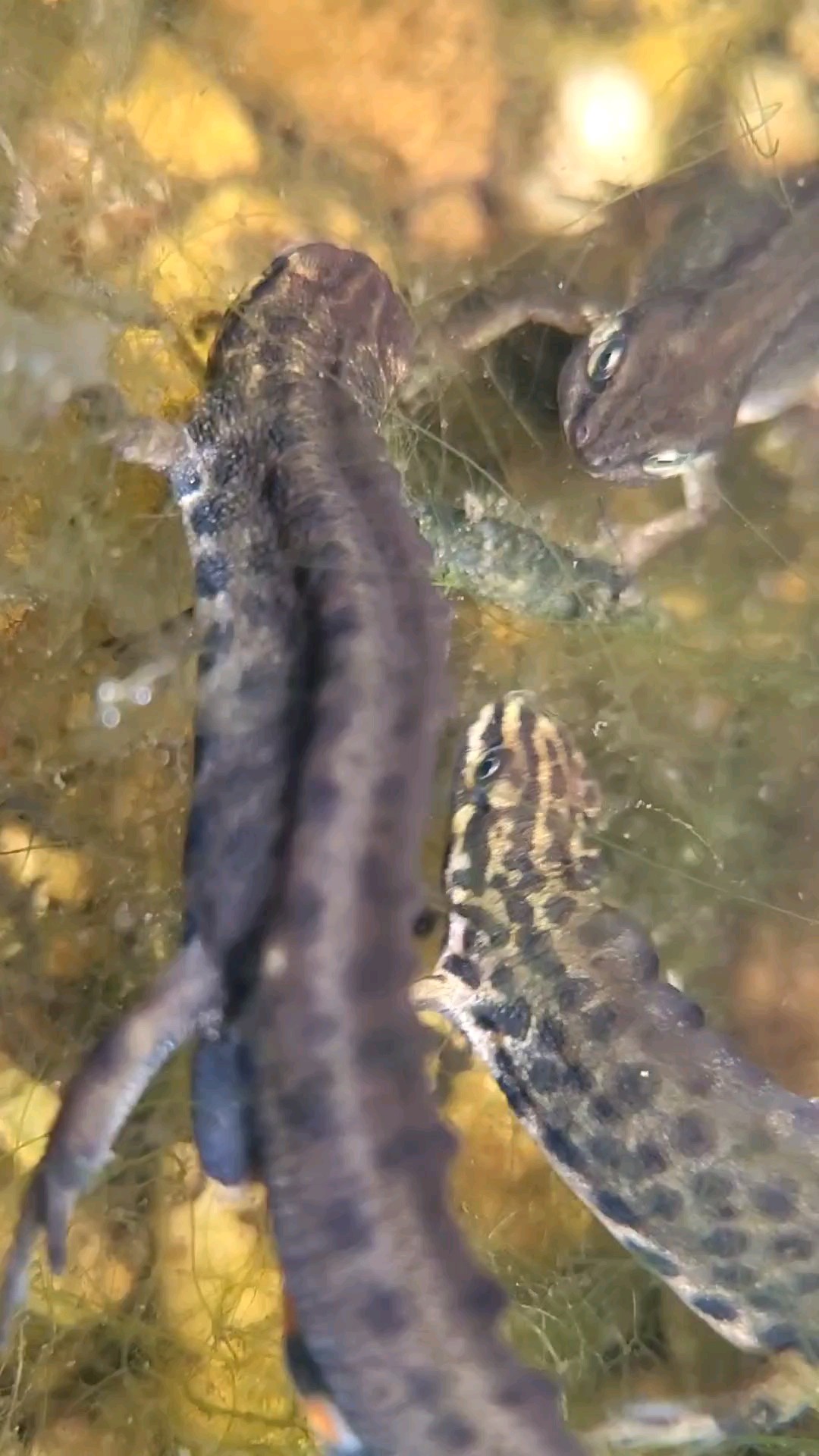
This brief clip shows the three newts close to the camera, just as I was putting it into the water.
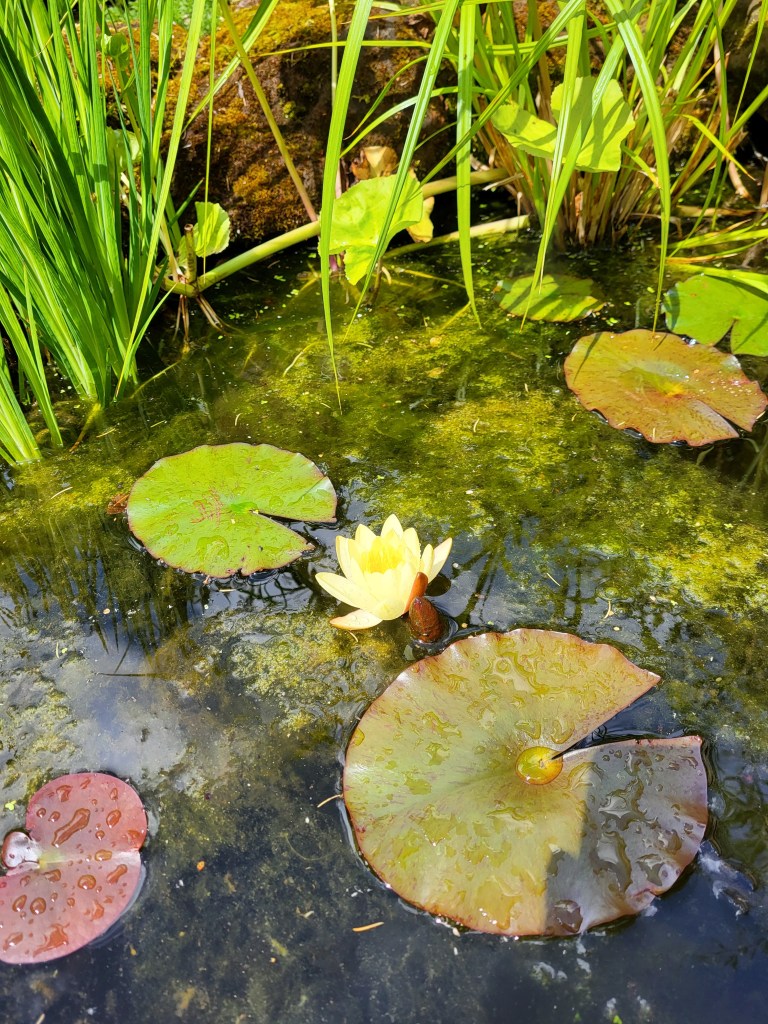
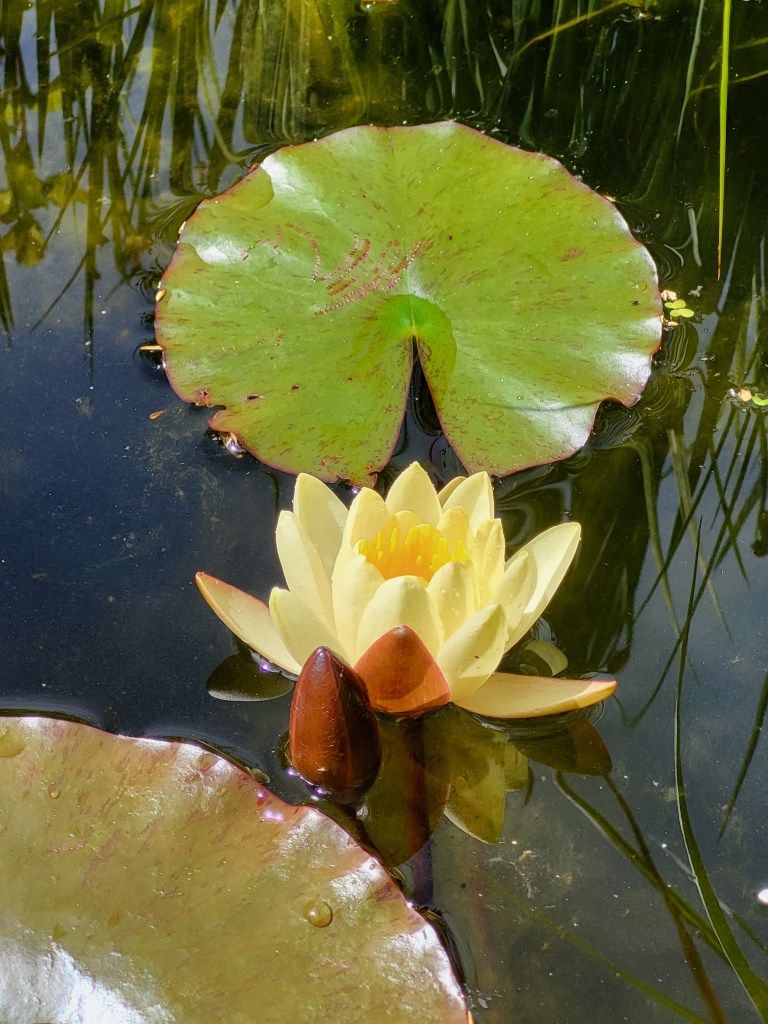
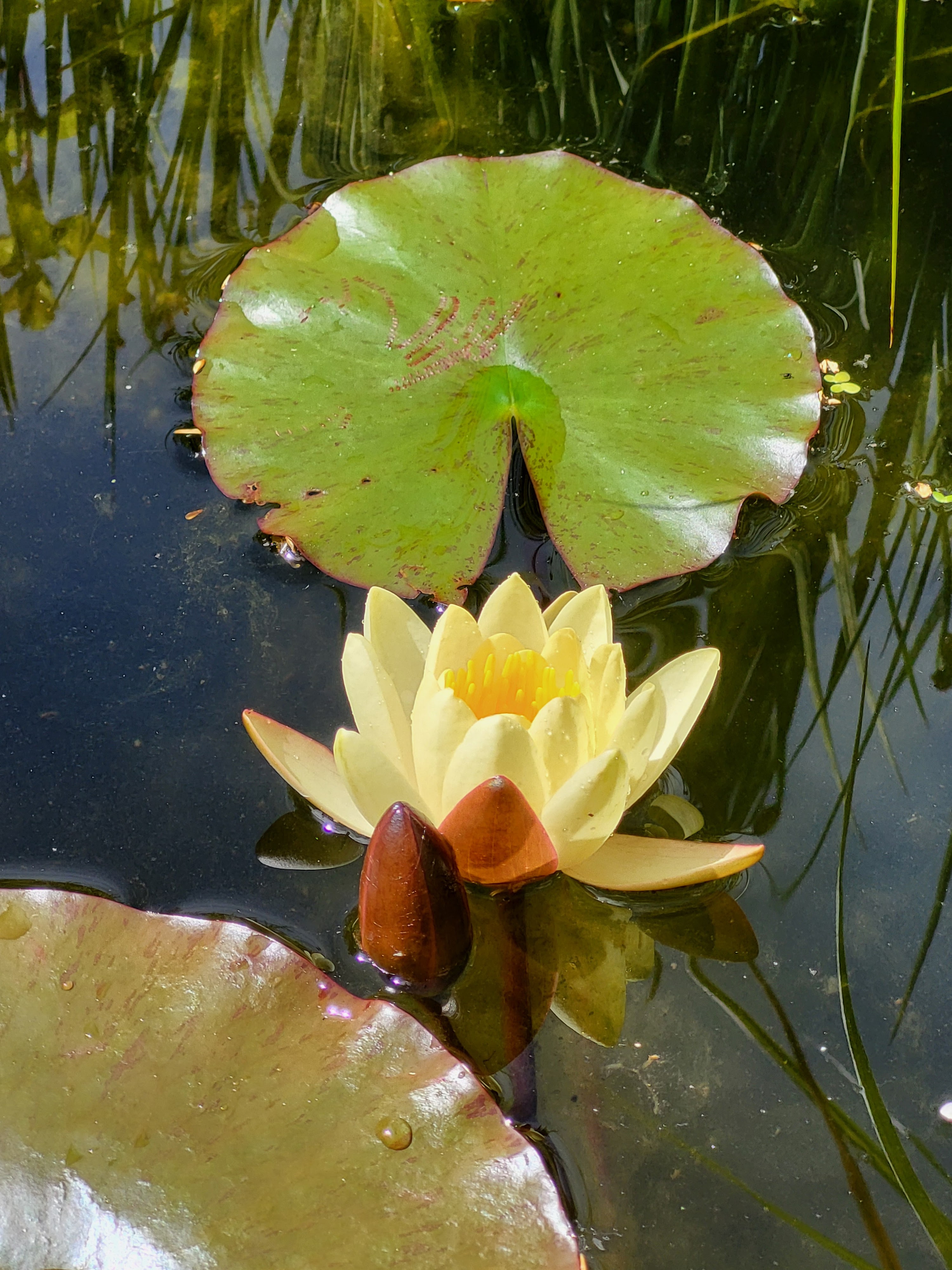
And finally, above water, I’ve been cleaning pond weed from the surface of the ponds, better to showcase the planting. In the warmth of the sun, it can become problematic in Lion Pond and, here you can see the before and after in Lily Pond.